Nicotine consumption continues to be a major health concern worldwide. A recently updated systematic review on nicotine products risk assessment provides new insights into the relative risks associated with different tobacco and nicotine products. The study evaluates 15 nicotine products based on their potential to cause tobacco-related diseases, including cancer and respiratory conditions.
Key Findings from the Updated Review
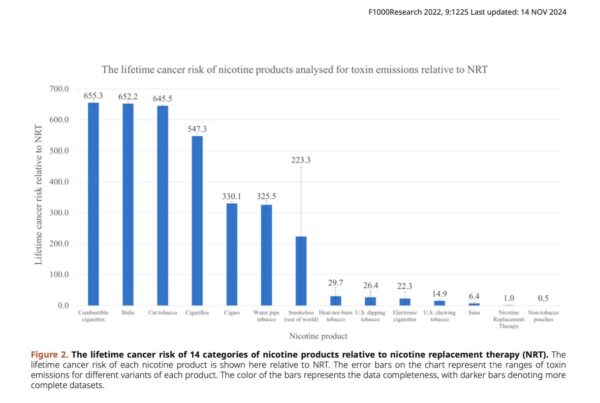
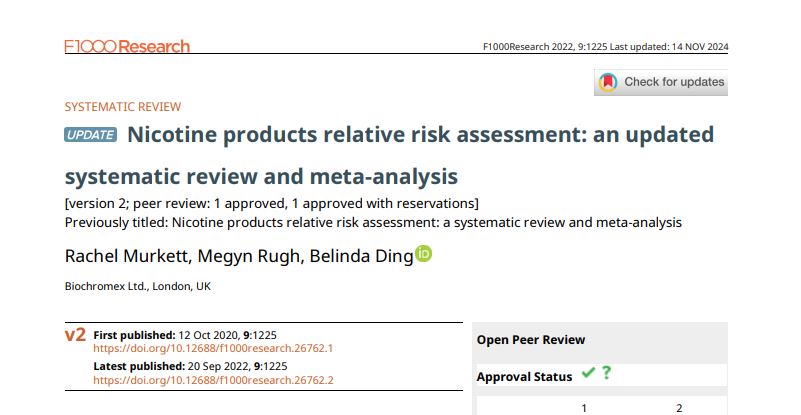
The study, published in F1000Research, incorporates data from 123 studies, adding 70 new studies to previous analyses. The research categorizes nicotine products into high-risk and reduced-risk groups based on toxin emissions and epidemiological data.
High-Risk Nicotine Products (Score: 40-100)
- Traditional cigarettes
- Bidi cigarettes
- Smokeless tobacco (outside the U.S.)
Reduced-Risk Nicotine Products (Score: 10 or less)
- U.S. chewing tobacco
- U.S. dipping tobacco
- Snus
- Heat-not-burn tobacco
- Electronic cigarettes
- Nicotine replacement therapy (NRT)
Why This Study Matters
Understanding the relative risk of nicotine products is crucial for public health policies and smoking cessation strategies. This study helps consumers and policymakers distinguish between high-risk and harm-reduction options.
Read the Full Systematic Review
For a detailed analysis, read the full study here: Nicotine Products Risk Assessment.
Final Thoughts
The latest systematic review on nicotine products risk assessment reinforces the evidence that not all nicotine products pose the same level of health risk. While combustible tobacco remains a major health threat, alternative nicotine products may present significantly lower risks.
For further insights, explore the full research here.